Summarize this page with AI




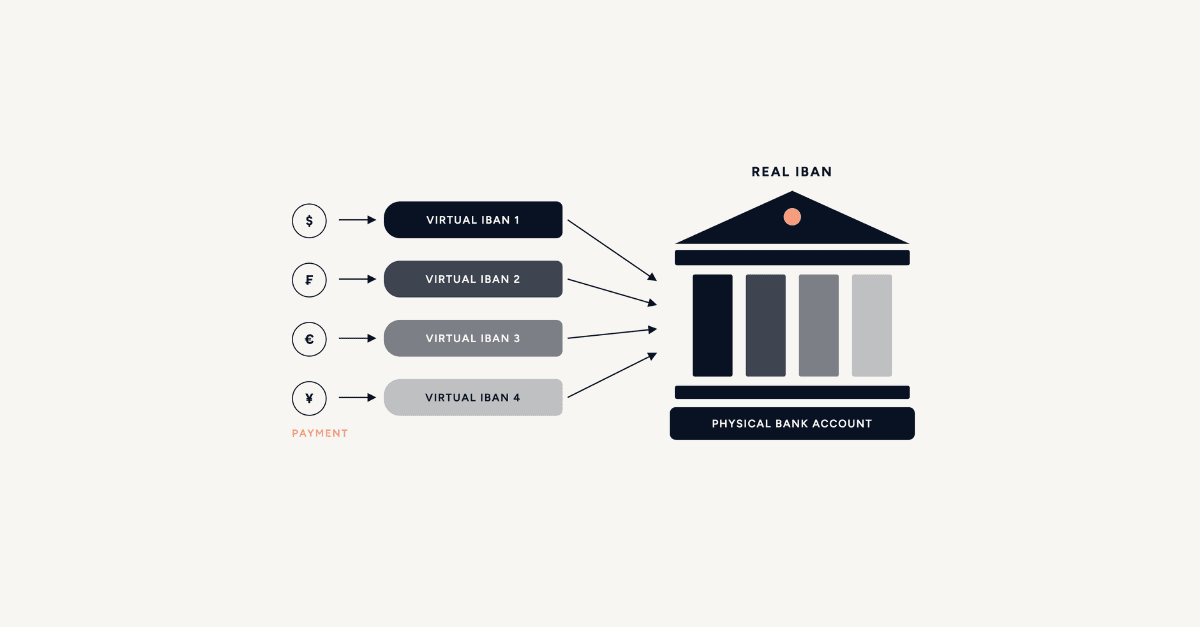
A virtual IBAN lets GCC businesses receive international transfers without a local bank account in every country. How vIBANs work, who issues them, and what to ask a provider.
CBB Category 3 vs VARA compared: what each licence authorises, who holds both, and what it means when choosing a licensed GCC payment provider.
GCC exchange houses that eliminate Nostro pre-funding free $15–25M overnight. Here is where that capital goes, and how it compounds.

A 2026 intelligence report on the GCC, the DMCC, and the end of correspondent banking. Download ARP Digital's analysis of stablecoin settlement, the UAE regulatory framework, and the trade corridors replacing SWIFT.
At $5M, exchange slippage costs GCC businesses ~$42,500 per trade vs ~$7,500 on OTC. See the full cost breakdown at $500K, $1M, and $5M.
A $10,000 SWIFT transfer from the GCC can cost $189 in hidden deductions before reaching your supplier. Here's every layer, calculated.

How GCC exchange houses reduce international wire transfer costs: the MTO fee model, nostro capital drag, and the P&L case for switching to direct rails.

The G20's 2027 cross-border targets will be missed. Stablecoin rails help, but regulated fiat conversion and compliance infrastructure decide who stays in the conversation.
Adding BHD or other GCC currencies payout coverage takes 12–24 months of licensing per jurisdiction - if you build it natively. Most fintechs integrate instead.

Above $250,000, exchange trading stops making sense for GCC businesses. OTC desks offer firm pricing, no order book exposure, and compliance documentation. Here's how they work.